

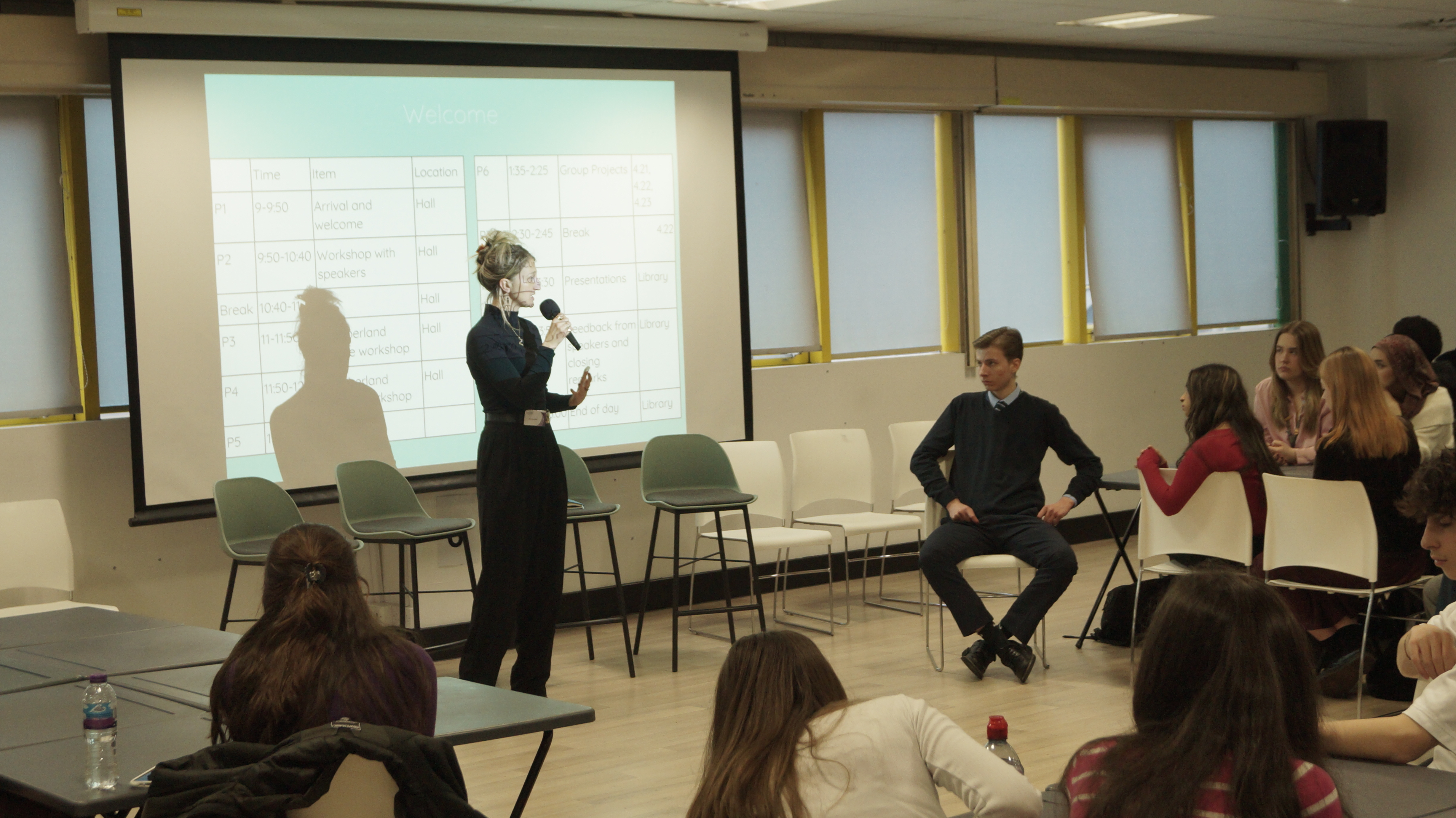
The UK is living through a period of rising polarisation, mistrust and social fragmentation. These pressures are visible in our schools, where young people encounter disagreement not as a normal feature of democratic life, but as something dangerous, personal and identity-defining. Social media echo chambers, misinformation and dehumanising narratives are shaping how the next generation and the leaders of tomorrow understand conflict, power and belonging.
If we are serious about safeguarding our democracy, we need to be equally serious about what we teach young people before conflict hardens into hate or disengagement. They are already on the frontline of tackling polarisation and misinformation, often far more digitally literate and experienced than many adults in navigating social media, which is precisely why investing in their education and civic leadership offers one of the highest returns for a healthier, more resilient democracy.
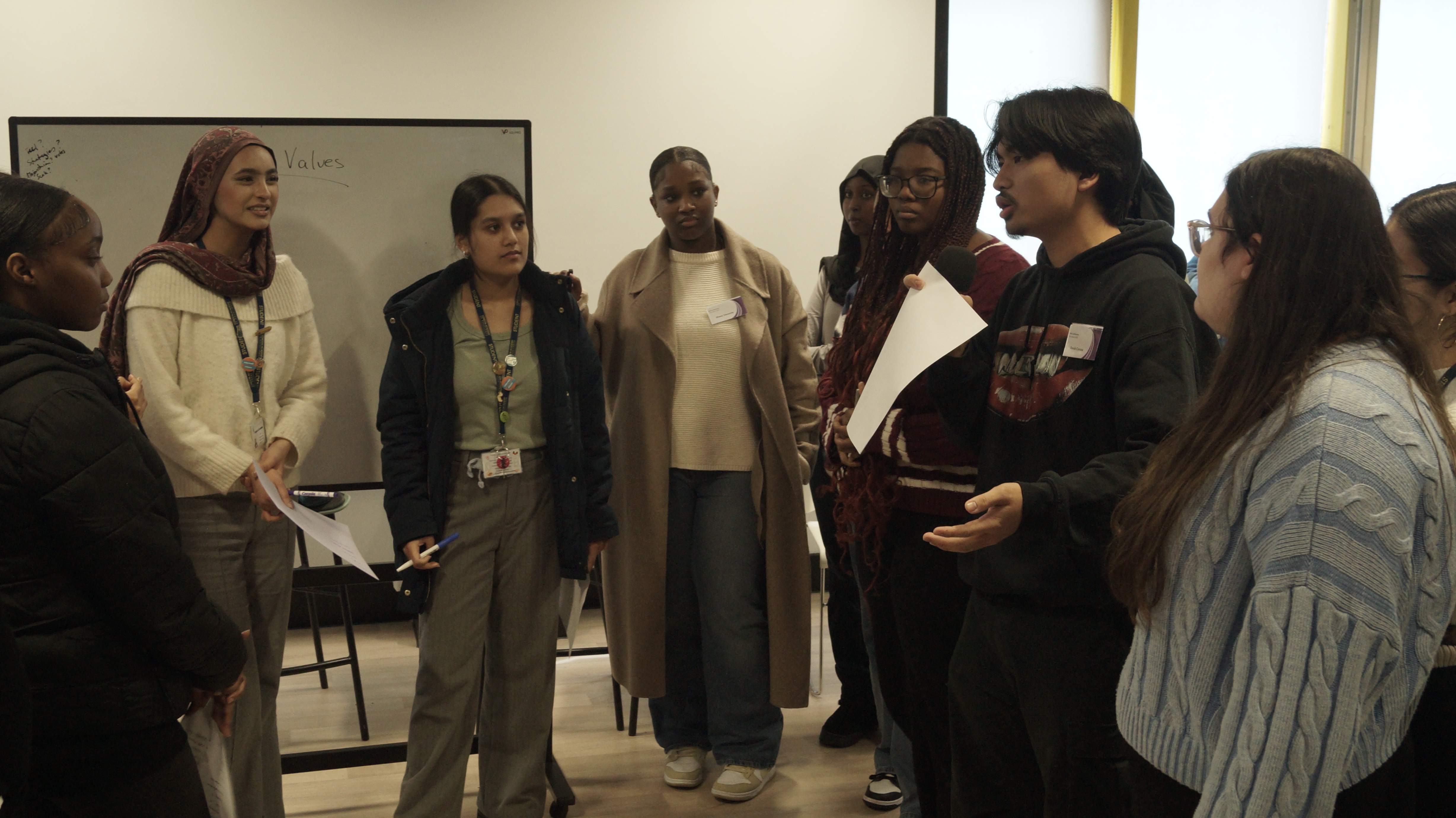
Citizenship education cannot simply be about how Parliament works or what rights exist on paper. It must equip young people with the skills, ethics and confidence to handle disagreement, challenge injustice and participate constructively in civic life.
That is why conflict resolution education and peace education should not be “add-ons” to the national curriculum – they must be foundational.
At SNS, we see every day that young people are not apathetic or indifferent. They are deeply aware of injustice, violence and global conflict. What they often lack are credible, non-violent pathways for responding. Without those pathways, frustration can turn into cynicism, withdrawal or attraction to absolutist ideologies. This is not a failure of character; it is a failure of education.
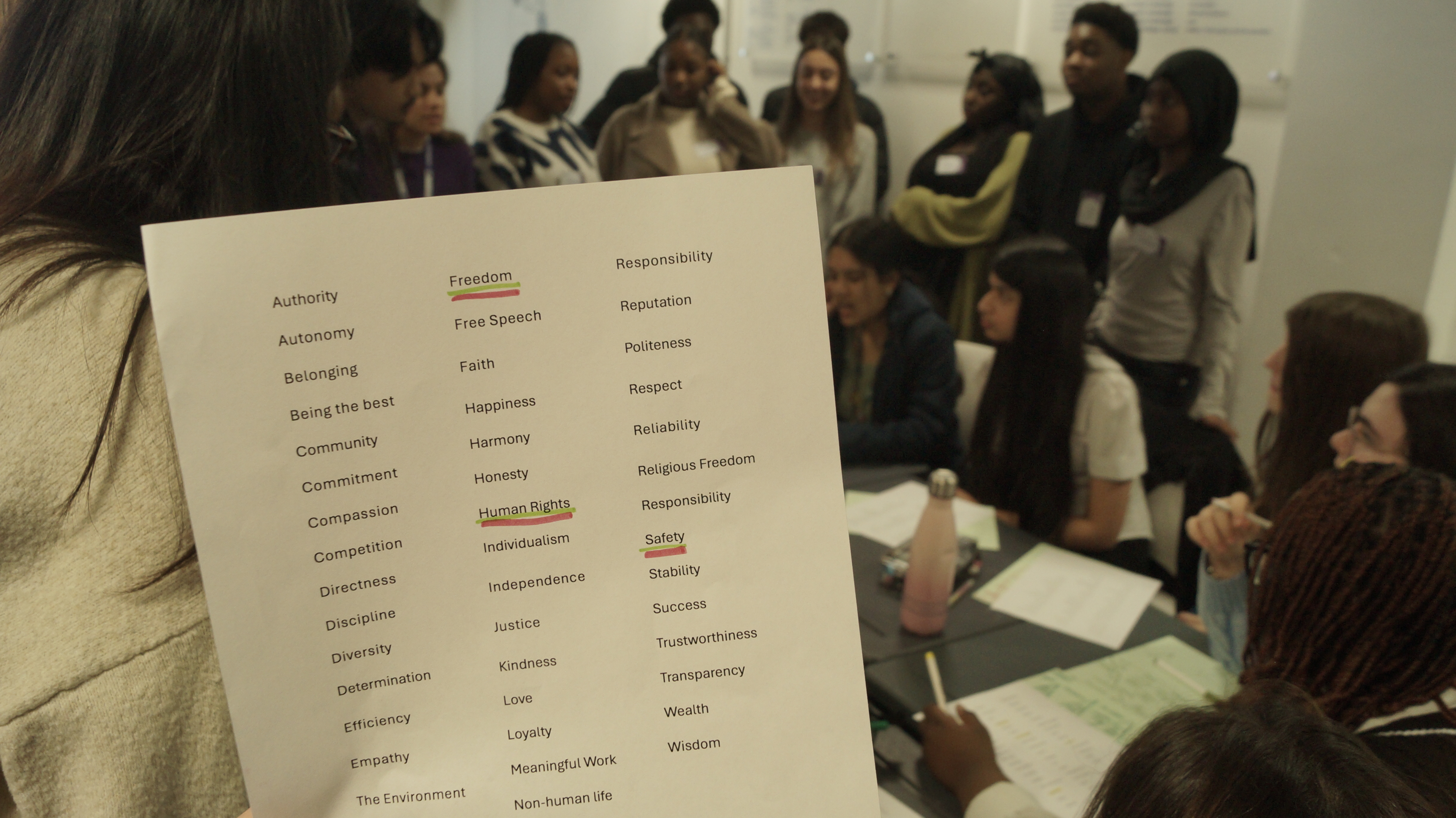
Conflict resolution education addresses this gap directly. It teaches young people how to:
- analyse conflict through human needs rather than blame
- understand how fear, humiliation and exclusion fuel violence
- distinguish between legitimate security needs and the misuse of power
- disagree firmly without dehumanising others
- engage in democratic action that holds leaders and institutions to account
Grounded in human needs theory, including Maslow’s hierarchy of needs, peace education reframes security not as force or domination, but as the presence of dignity, justice and accountability. This is a profoundly civic lesson. It allows students to critique violence and injustice while resisting collective blame and hatred.
Importantly, this kind of education is preventative. Rather than responding after harm has occurred – after hate crimes, school breakdowns or democratic erosion – it builds the social and emotional capacities that allow pluralism to function in the first place.
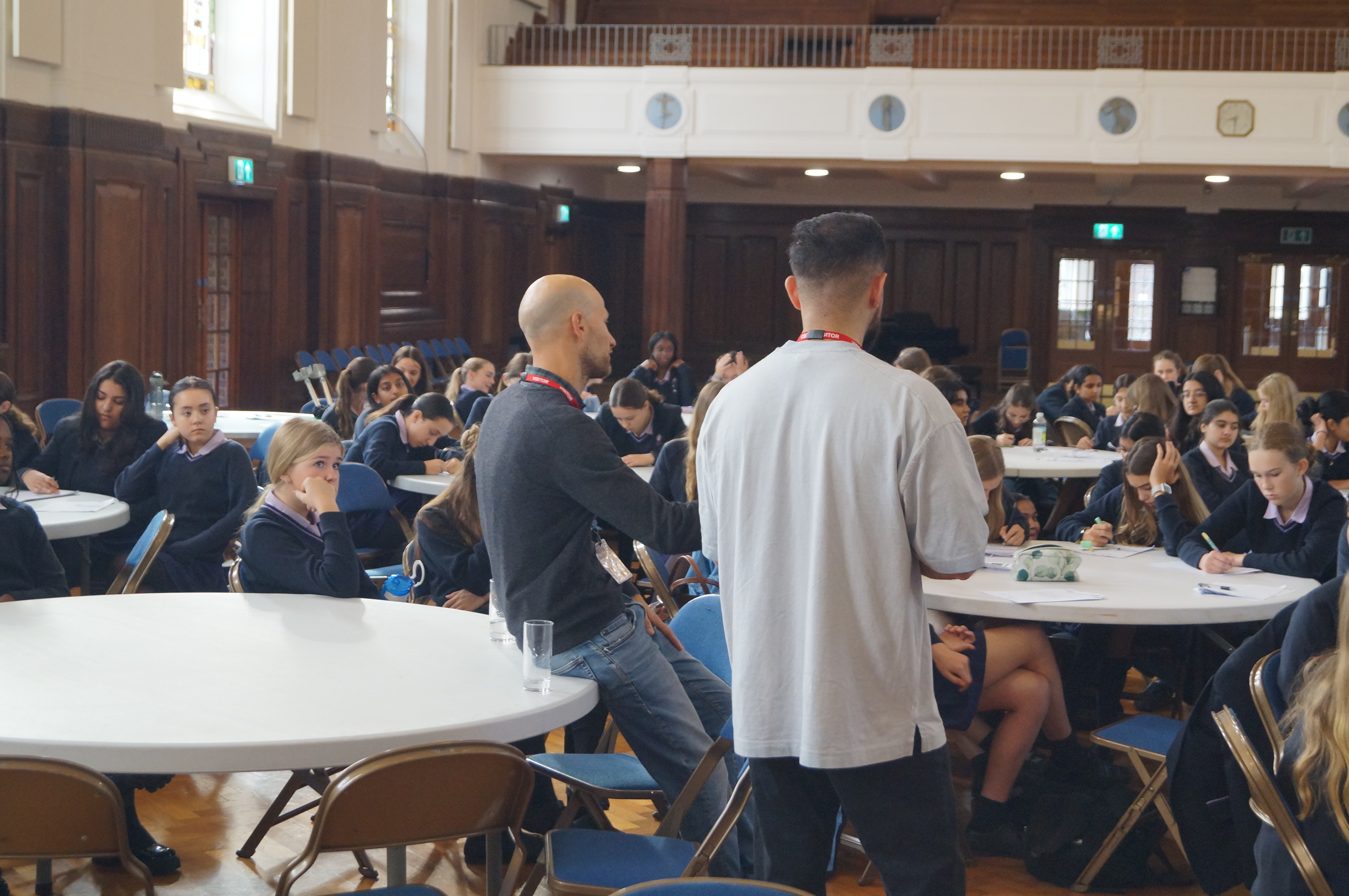
The timing could not be more critical. The government’s decision to make Citizenship compulsory from Key Stage 1 to age 16 opens a rare window to shape what we mean by “life skills” in education. If conflict resolution, dialogue, media literacy and non-violent civic action are embedded clearly and safely within Citizenship – with links to RSHE and RE – these skills become universal rather than optional, structural rather than dependent on individual schools’ courage.
Peace education is sometimes misunderstood as passive or naïve. In reality, it is about active citizenship: learning how to challenge injustice without reproducing it; how to resist the normalisation of violence; and how to hold power to account while remaining committed to democratic principles. Our programmes, which include learning from Israeli and Palestinian peacebuilders who oppose violence within their own communities, show young people that dissent and belonging are not opposites, and that moral responsibility does not end at group identity.
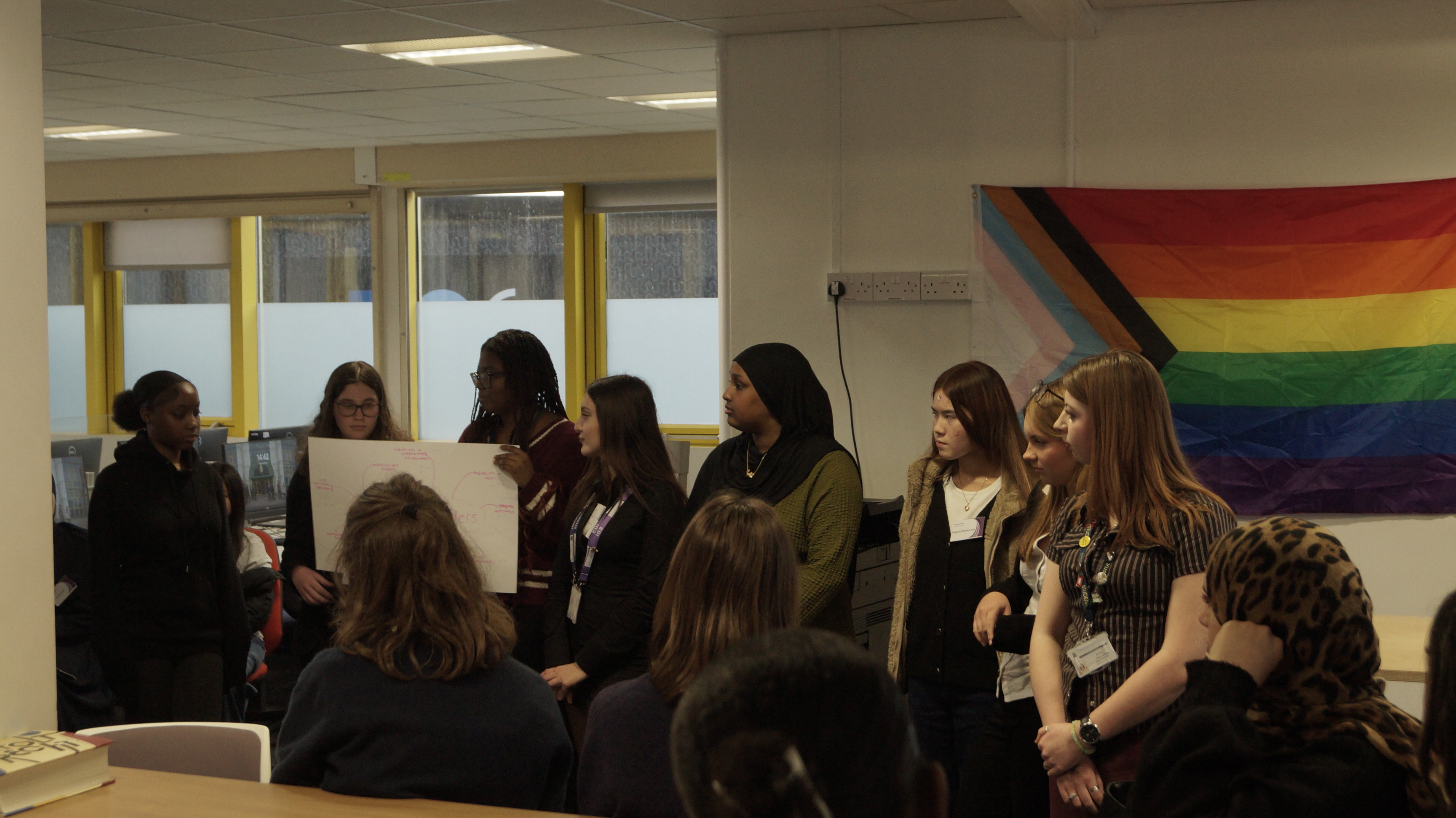
Embedding conflict resolution and peace education in the national curriculum is not about telling young people what to think. It is about giving them the tools to think critically, act ethically and participate courageously in a diverse democracy.
At a time when democratic norms are under strain, preparing the next generation to navigate conflict non-violently is not optional. It is one of the most important investments we can make in our shared future.